
Private Equity · Applied AI · News
The AI data-centre boom: who pays the electricity bill?
18 October 2026 · FinAnalytic Editorial · 5 min read
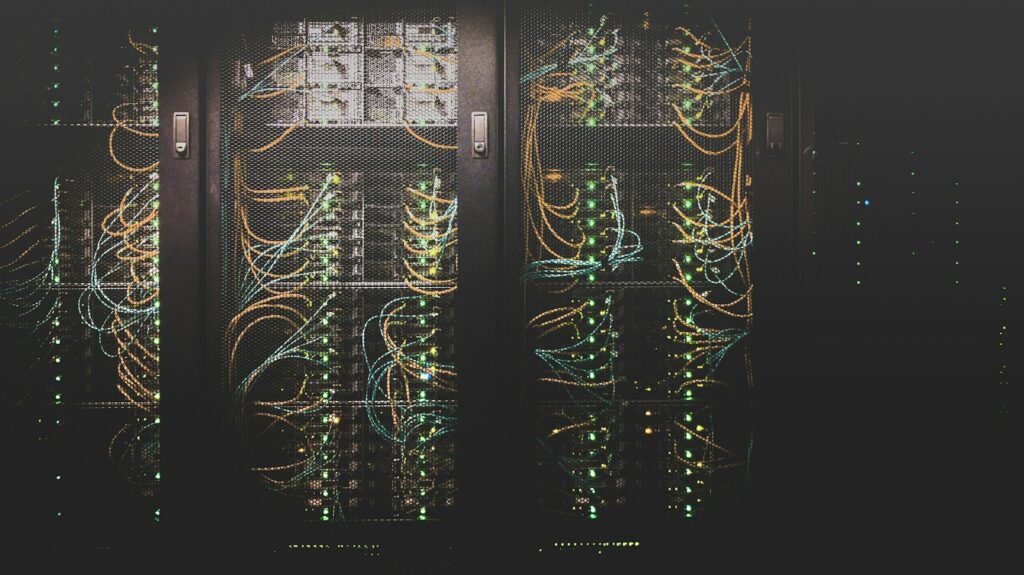
The presentation looks excellent. There is a photograph of a proposed data centre, a rising demand curve and a slide about India’s digital future. Then someone asks when the electricity connection will be ready. The room gets quieter.
The question behind this week’s headlines
That opening is an imagined investment meeting, but the question is worth asking. In a capital-intensive business, an unresolved dependency can matter more than the most persuasive slide.
On 15 October, Reuters reported that a market selloff and higher financing costs were testing the AI data-centre boom, with some fundraising plans delayed. Its reporting described closer scrutiny of business models and execution risk, rather than a complete stop in investment. [1]
For a business owner or investor in India, the useful response is to examine what a specific opportunity needs to deliver. A global growth story is a starting point for research. The project still needs customers, working infrastructure and enough cash to reach operation.
First, work out what you are actually buying
“AI infrastructure” can describe quite different businesses. A property owner leasing a building, an operator providing space and power, and a company selling access to computing equipment earn their money in different ways. Equinix’s colocation offering, for example, centres on infrastructure capacity and connectivity. [4]
Before comparing valuations, draw the boundaries. Who owns the land? Who funds the electrical and cooling systems? Who owns the computing equipment? Which entity signs the customer contract, and which one carries the borrowing?
These questions also clarify the downside. A contract supporting one entity does not automatically protect another company in the group. Ask where the revenue lands and where the obligations sit.
A power forecast is not a power connection
The International Energy Agency’s 2025 base case projects global data-centre electricity consumption at around 945 terawatt-hours in 2030, up from an estimated 415 TWh in 2024. That is a scenario-based projection for data centres overall, not a measurement of AI-only demand or a guarantee for any particular site. [2]
The IEA also points to a timing problem: energy infrastructure can take longer to plan and build than a data centre. That makes local delivery worth investigating even when the global demand outlook looks strong.
For a proposed project, ask for evidence of the available capacity, connection milestones and responsibility for delays. Then have appropriately qualified specialists assess the technical assumptions. A model should show what happens if revenue starts later while committed costs continue.
Read the customer promise closely
Return to the imagined meeting. The promoter says much of the capacity is “spoken for”. That phrase needs unpacking. Is there a signed agreement, a conditional commitment, a letter of intent or simply an active sales discussion?
Separate each category in the forecast. Record the conditions before billing starts, cancellation rights, service obligations and the customer’s ability to pay. Have the relevant agreements reviewed rather than relying on a summary slide.
Customer concentration deserves its own conversation. One large buyer can simplify sales and leave the project dependent on one renewal. Ask how long replacing that customer might take and who funds the gap.
Make the less comfortable case visible
Consider a hypothetical project carrying ₹100 crore of debt. A one-percentage-point increase in its annual interest cost would mean another ₹1 crore a year if the balance stayed unchanged. This is a simple sensitivity calculation, not a quote for available financing or a forecast of rates.
Now combine that change with a later opening date and slower customer take-up. Can the business still meet its obligations? How much additional equity might it need, and when?
Keep the assumptions visible. Show committed funding separately from money that must still be raised. Include maintenance and replacement spending where the business bears those costs. A forecast is more useful when the team can explain what would cause it to fail.
These are the kinds of questions behind our Private Equity consultancy: examining the business, its funding and the evidence supporting the transaction. Sector-specific engineering and legal reviews remain essential parts of a project assessment.
AI can help with the paperwork. Test what it misses.
A data room might contain customer agreements, amendments, power correspondence and several versions of a financial model. An AI-assisted review could help assemble a contract register, locate clauses and flag inconsistent dates for a person to check.
Start with a bounded task: identify which agreements allow cancellation before the site opens, and return the clause and page reference. Test it against documents already reviewed by the team, including amendments that change the original terms.
NIST’s Generative AI Profile recommends source and citation verification during testing and monitoring. A fluent summary needs that checking before anyone relies on it. [3]
Our Applied AI Solutions service covers document and research intelligence, with approved data, measurable evaluation and human review. The value to test here is reduced review effort with adequate evidence coverage.
Bring the opportunity back to your own decision
For an investor considering exposure, the final question is personal: how much capital can be tied up, for how long, and with what consequences if the plan slips? Our Investment Consultancy service connects that discussion to risk assessment and portfolio strategy.
For the business raising capital, the next step may be a better evidence pack: a documented power timetable, clearly classified customer commitments and a funding plan that includes delays.
Back in the meeting, the demand chart can stay on the screen. Before anyone agrees a price, though, someone needs to answer the electricity question.
Discuss your investment question or AI review workflow with FinAnalytic →
Sources & further reading
- Reuters, Market selloff, rising rates test AI data centre deal boom, 15 October 2026; corrected 16 October 2026
- International Energy Agency, Energy and AI (2025), Energy demand from AI; base-case projection and infrastructure timelines
- NIST, Generative Artificial Intelligence Profile, AI 600-1 (2024), including source verification
- Equinix, Colocation: provider description of infrastructure and connectivity services
Research checked 18 October 2026. The opening scene and financing example are illustrative. Project observations are editorial analysis, not claims about a specific investment.